What does OSHA require for handwashing on a job site?
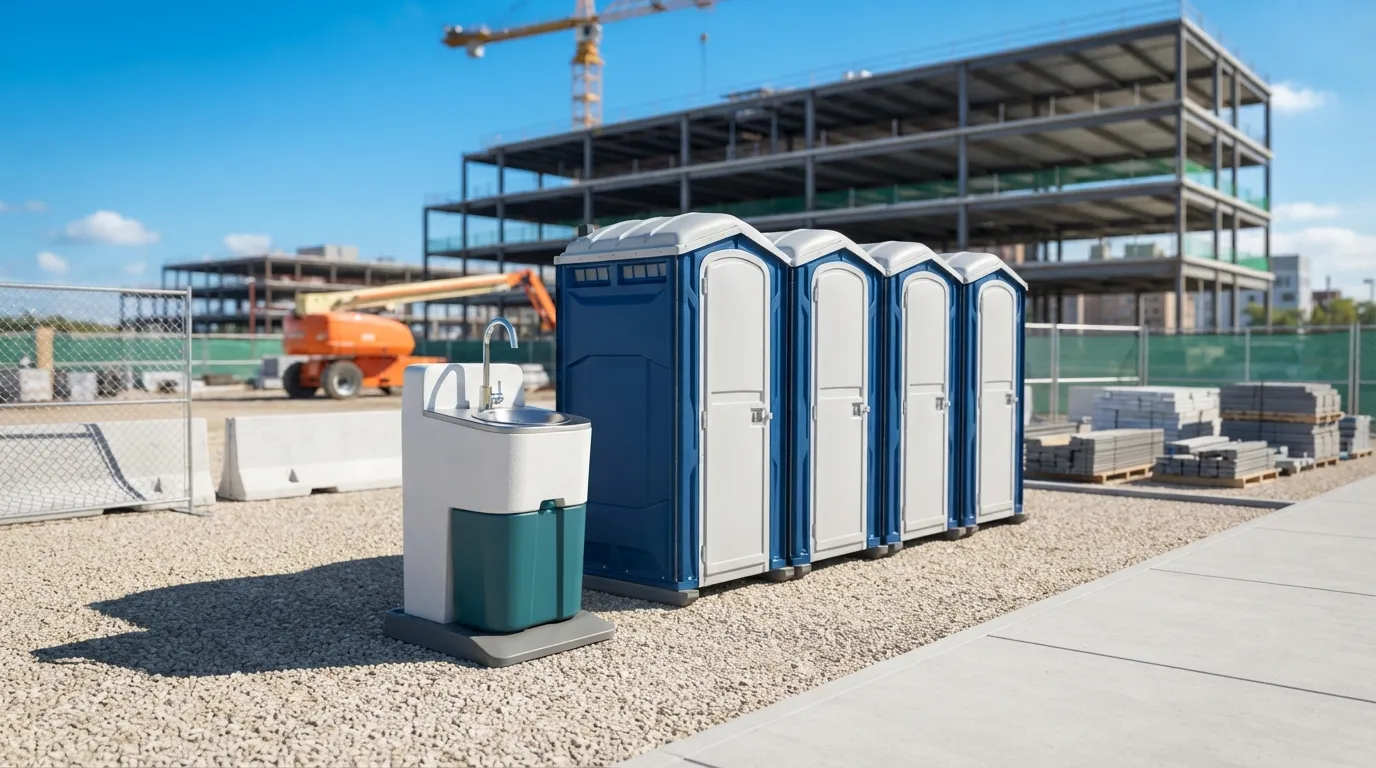
Two different rules cover two different situations, and mixing them up gets crews cited. General sanitation and toilet counts fall under OSHA 1926.51(c), which sets ratios by crew size: one toilet for 20 workers or fewer, then one toilet and one urinal per 40 workers as headcount climbs past that, dropping to one per 50 once you hit 200 or more. That rule assumes potable water is already on site, which is its own requirement under OSHA 1926.51(a)(1). Handwashing specifically comes in under 1926.51(f)(1), but only where crews are applying paints, coatings, herbicides or insecticides, or working around similar contaminants. If nobody on your Jersey City crew is spraying or coating anything, that section does not apply to you, but general industry crews working indoors may fall under OSHA 1910.141(c)(1)(i) instead of the construction standard. Either way, 29 CFR 1910.141(d)(2) is the rule that actually names soap and towels. A handwashing station rental satisfies both the contaminant-specific rule and the general standard when it is stocked correctly, which is why most Jersey City contractors just pair one with their portable toilet rental order from day one.
How many handwashing stations do I need?
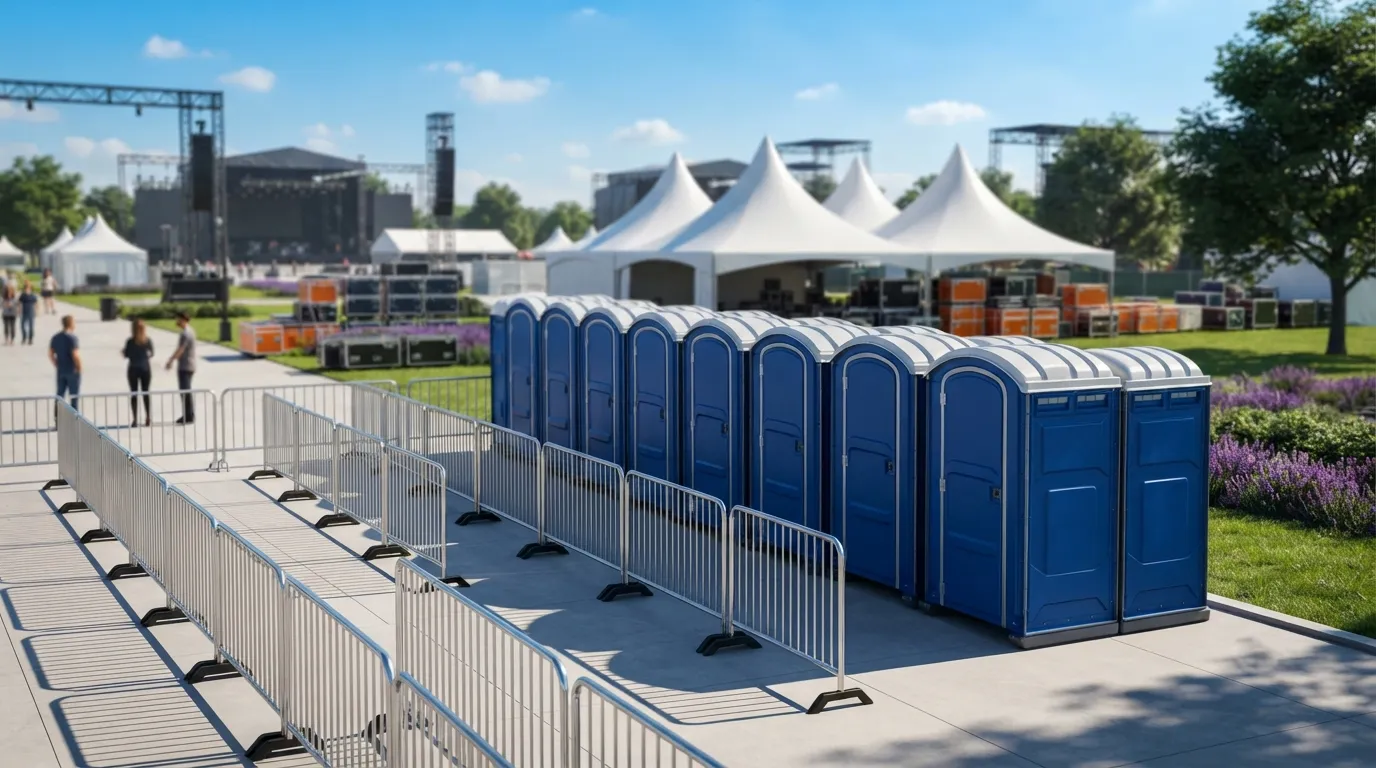
One station per 20 workers is the baseline most crews use, mirroring the toilet ratio in OSHA 1926.51(c) and the field sanitation standard under OSHA 1928.110, which sets the same one-per-20 ratio for agricultural hand-labor crews and requires it within a quarter mile walk of the work. That distance matters on spread-out sites, whether it is a warehouse build near the Jersey City waterfront or a farm operation covered under farm and agricultural restrooms. ANSI/PSAI Z4.3, the industry service standard, sets a baseline of one service visit per week for up to 10 users across a 40 hour week, which is a useful floor for scheduling pumping and restocking even outside farm settings. For events, caterers and food trucks, tie your handwashing count to your event restroom rental order rather than guessing. If you are unsure how many units your Jersey City site needs across toilets and sinks combined, run the numbers with how many porta potties do I need before you order.
Where should handwashing stations be placed?
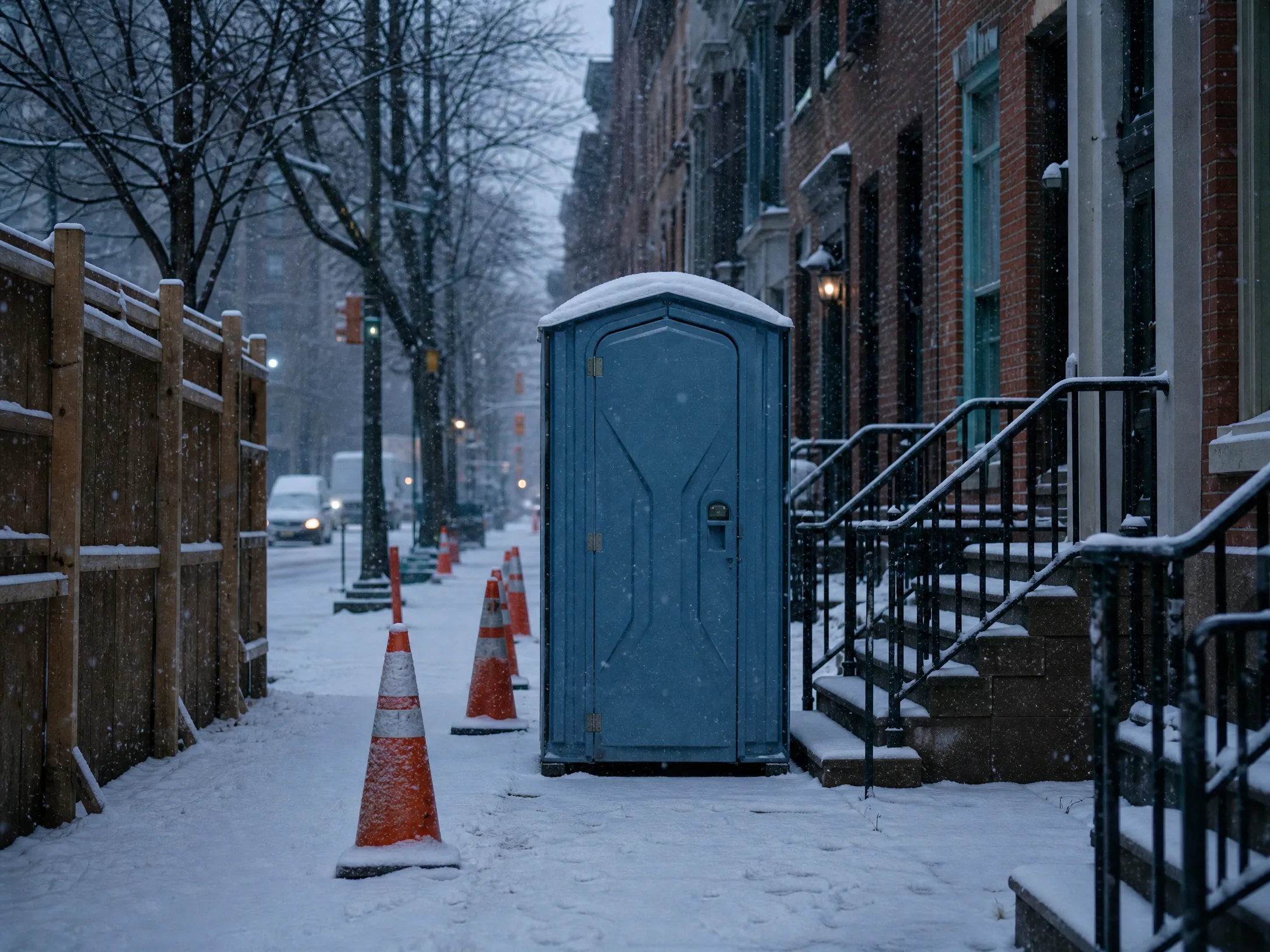
Placement rules borrow directly from ADA guidance even on sites without a formal ADA obligation, because they describe a stable, usable setup. ADA Standards section 302.1 calls for surfaces that are stable, firm and slip resistant, which rules out loose gravel or soft mud under a station's footprint. Operable parts, meaning soap dispensers and faucet handles, need to work with one hand and no tight grasping or pinching under section 309.4, and forward reach to a dispenser should stay within 15 to 48 inches per section 308.2.1. If your site clusters several units together, at least 5 percent need to be accessible under ADA Standards section 213.2, same as with a porta john rental cluster. Route width matters too: keep a 36 inch clear path per section 403.5.1 leading to the unit. Check our porta potty placement guide for the full layout logic, and if you are working in the public right of way anywhere in Jersey City, placement there needs confirming with the city directly since that is not something we can quote a blanket rule for.
Can hand sanitizer replace a handwashing station?
No. 29 CFR 1910.141(d)(2) specifically requires soap and towels or a hand drying device, and sanitizer does not meet that standard on its own. It works as a supplement, not a substitute, which is why most Jersey City crews pair a hand sanitizer station rental alongside a real sink rather than instead of one. A portable sink rental with its own water tank covers the requirement cleanly, and it pairs naturally with a standard porta potty rental or a deluxe flushable porta potty on the same delivery. Food service events in particular get flagged fast by health inspectors if sanitizer is the only option at a handwashing point, so budget for both. If your crew works with any of the contaminants named in 1926.51(f)(1), that combination stops being optional. For general questions on how these units get serviced and cleaned week to week, see how often are porta potties cleaned.
FAQ
Do I need a handwashing station if I already have a porta potty on site?
Yes, if your crew handles paint, coatings, herbicides or insecticides under 1926.51(f)(1), or if you want to meet 29 CFR 1910.141(d)(2) generally. A portable toilet rental alone does not satisfy the washing facility rule. Most Jersey City contractors order both together to avoid a callback delivery mid-project.
What is the difference between a handwashing station and a portable sink?
Both terms usually describe the same freestanding unit with its own water tank, soap and towel dispenser. Some vendors reserve "sink" for units with a larger basin. Check the portable sink rental page for what is actually included before you order.
How often does a handwashing station need to be serviced?
ANSI/PSAI Z4.3 sets a baseline of one visit per week for up to 10 users over a standard 40 hour week. Higher traffic sites in Jersey City, especially food events, need more frequent restocking of soap and towels.
Can I rent a handwashing station without renting a porta potty?
Yes. Standalone rentals work for job sites that already have restroom facilities but need a compliant washing setup, or for food trucks and vendor booths. Pricing runs separately from toilet units, so ask for a standalone quote through request a quote.
Does Jersey City require handwashing stations for outdoor events?
Health permitting for food vendors typically requires handwashing access, though exact local rules need confirming with the city since we don't carry municipal ordinance detail here. Pair your unit with an event restroom rental order and confirm requirements before the event date.
Next step
Get a delivery date
Tell us the address, the dates and the headcount. We size the order and confirm the route.