
How Often Does Grease Trap Pumping Need to Happen?
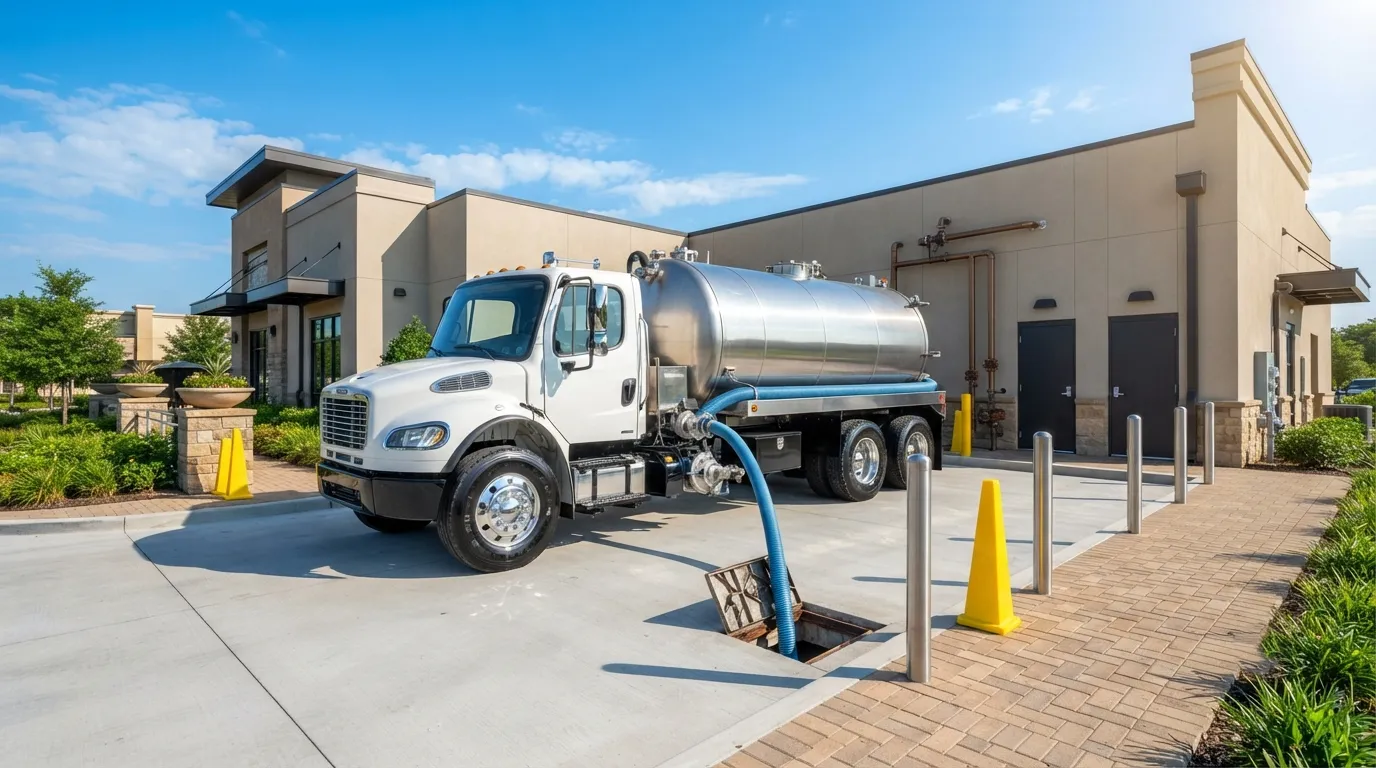
Every kitchen is different, but the trigger is physical, not calendar-based. A grease interceptor is pumped once fats, oils, grease and solids reach 25 percent of the liquid depth in the tank. High-volume fryers and busy dinner services push that threshold faster than a coffee shop or a small deli, and the same logic applies to holding tank rental units on sites without sewer access. Jersey City restaurants near dense commercial corridors often need service more often than the general 4 to 12 week range because turnover in the kitchen is higher. If you are unsure where your trap stands, septic pumping service crews can check depth on the same visit as a routine cleaning. Waiting too long risks backups into the kitchen floor drain, which shuts down service fast, the same way ignoring handwashing station requirements can shut down a food truck permit. Pair this with a look at septic tank warning signs if you are noticing slow drains anywhere else on the property, since a neglected trap can affect connected lines. For a broader look at scheduling logic, how often to pump a septic tank covers the household side, but commercial kitchens run on a tighter clock, closer to the turnover you would plan for with a construction site services account.
What Does Grease Trap Pumping Cost in Jersey City?
Grease trap pumping cost depends on tank size, access, and how far past the 25 percent threshold the trap has drifted. Standard septic-style pumping visits run in line with the ranges below, though a grease interceptor with heavy buildup can push toward the higher end of the day rate, similar to how a restroom trailer rental cost climbs with add-ons.
| service | duration | low | typical | high |
|---|---|---|---|---|
| septic pumping | day | $150 | $250 | $300 |
| septic pumping | weekend | $50 | $100 | $150 |
| service call | day | $100 | $175 | $300 |
Weekend and after-hours calls carry a premium over a standard weekday visit, so if your trap is close to overflowing on a Friday night, plan for that the way you would budget for porta potty rental per day pricing on a rush job. A septic tank pumping cost breakdown covers residential comparisons if you are weighing both. Commercial accounts on a recurring schedule usually see steadier pricing than one-off emergency calls, and locking in a route saves everyone a headache, the same reasoning behind monthly porta potty rental accounts for long jobs.
Do You Offer Emergency Grease Trap Pumping Near Me?
Yes. A grease trap that backs up during dinner service is not a problem that waits for Monday. Jersey City Porta Pros runs emergency grease trap pumping for restaurants and commercial kitchens throughout Jersey City, and the same crews handle emergency septic service calls when a line backs up unexpectedly. Access matters here: trucks need enough clearance to park and run hose without blocking a loading dock or alley, so let dispatch know if your building sits on a tight commercial strip, the same clearance concern covered in the porta potty placement guide. If your kitchen shares plumbing with a larger property, a grease trap pumping visit sometimes turns up issues better handled with a full septic tank cleaning. Kitchens outside Jersey City proper are covered too, and the service areas page lists every town on the route. Crews regularly run routes into Kearny, 6.2 miles northwest, and Secaucus, 6.2 miles north, so a delay in one town does not mean a delay for everyone on the schedule, and the same trucks cover Harrison and Weehawken on the way back.
What is a grease trap and why does it need pumping?
A grease trap or interceptor catches fats, oils and grease before they reach the sewer line. Left alone, it fills past the 25 percent depth threshold, backs up drains, and can violate local discharge rules, so regular pumping keeps kitchens compliant and running, much like the ratios in OSHA portable toilet requirements keep a job site compliant.
How do I know if my grease trap is full?
Slow kitchen drains, sewer odors near the floor drain, or grease surfacing in the sink are common signs. Depth checks are the reliable method: once solids and grease hit 25 percent of liquid depth, it is time to schedule a pumping visit, the same trigger point covered in septic tank warning signs.
Can grease trap pumping be scheduled on a recurring basis?
Yes, most commercial kitchens set up routine service every 4 to 12 weeks depending on volume. A recurring schedule with Jersey City Porta Pros avoids emergency calls and keeps the trap well under the overflow threshold year-round, the same approach we recommend for standard porta potty rental accounts on long-term sites.
Is grease trap pumping different from septic tank pumping?
Both remove waste from a holding tank, but a grease trap targets fats, oils and grease from kitchen wastewater, while septic tanks handle broader household or building sewage. Some properties need both services on separate schedules, and a septic tank pumping cost comparison can help sort out which one your building needs first.
What happens to the waste after pumping?
Waste is vacuumed out by truck and hauled to an approved disposal facility. This keeps grease and solids out of Jersey City sewer lines and helps kitchens stay compliant with local discharge expectations tied to their commercial permits, similar to how proper disposal matters for roll-off dumpster rental loads on a renovation site.
Next step
Get a delivery date
Tell us the address, the dates and the headcount. We size the order and confirm the route.